 S Panchanathan Stores
In this article4 parts
Quick answer
Both can be good. Loose rice and dal from a busy shop are often fresher and cheaper; packed goods come with a label, a date and an FSSAI number. What matters is checking what you buy.
- Loose: look, smell and feel before you buy; ask when the stock came in.
- Packed: check the FSSAI number, the date and the seal.
- Spices and oil are safer packed, because colour and adulteration are hard to see.
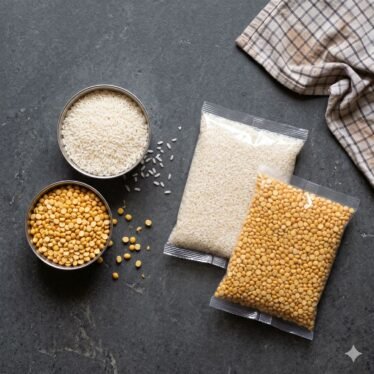
Like many departmental stores, we sell both: loose packs we weigh and pack from bulk sacks, and branded packets.
Loose or packed: the difference
Looseweighed from bulk
or- Often cheaper per kg
- You can see and smell it
- No date or label to check
- Buy only what you need
Packedbranded or shop-packed
- FSSAI number, date, net weight
- Sealed against dust and insects
- Usually costs a little more
- Easy to compare by price per kg
What to check in loose rice and dal
- LookEven grains
Grains of one size and colour, few broken pieces, no stones, husk or webbing.
- SmellFresh smell
Rice and dal should smell clean. A musty or sour smell means old or damp stock.
- FeelDry to touch
Run your hand through it: it should feel dry and fall freely, not clump.
- AskWhen it came in
A good shop knows when the sack was opened and turns stock over quickly.
Which to buy packed, which loose
Fine loose
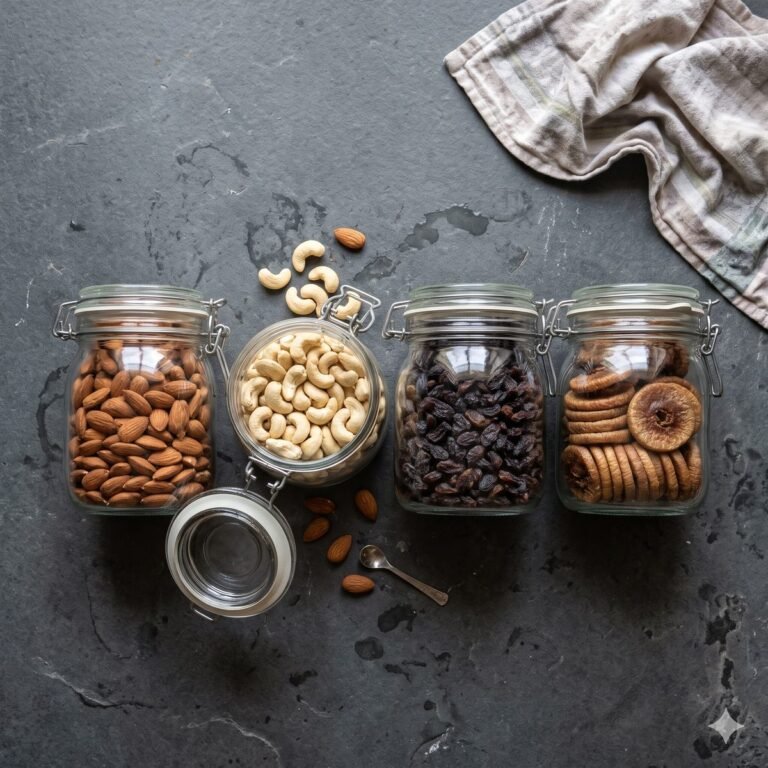
- Rice, dals and pulses from a busy shop
- Whole spices you can see, like pepper and cumin
- Sugar and jaggery blocks
Better packed
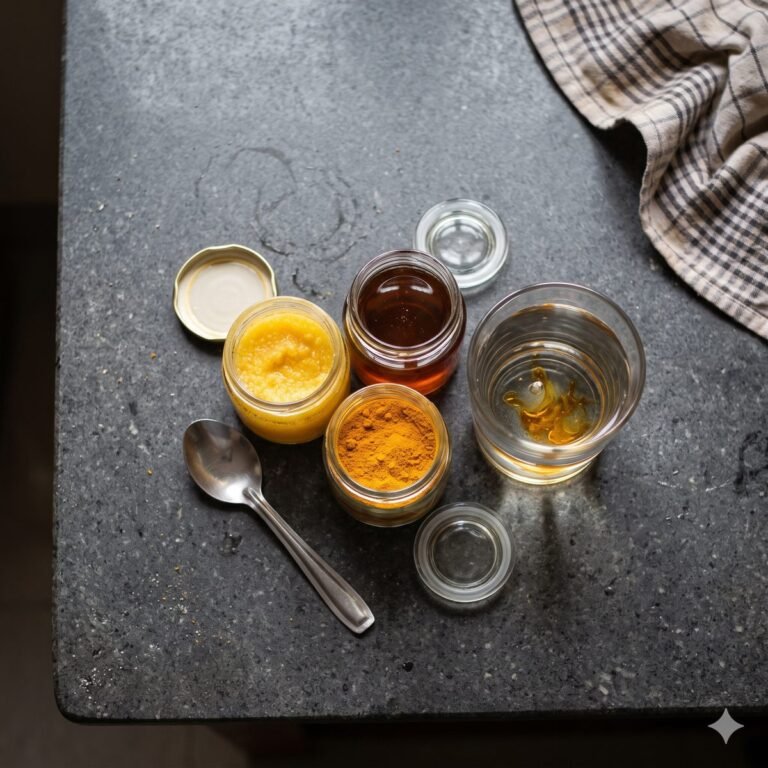
- Ground spices like chilli and turmeric powder
- Cooking oil and ghee
- Anything for babies
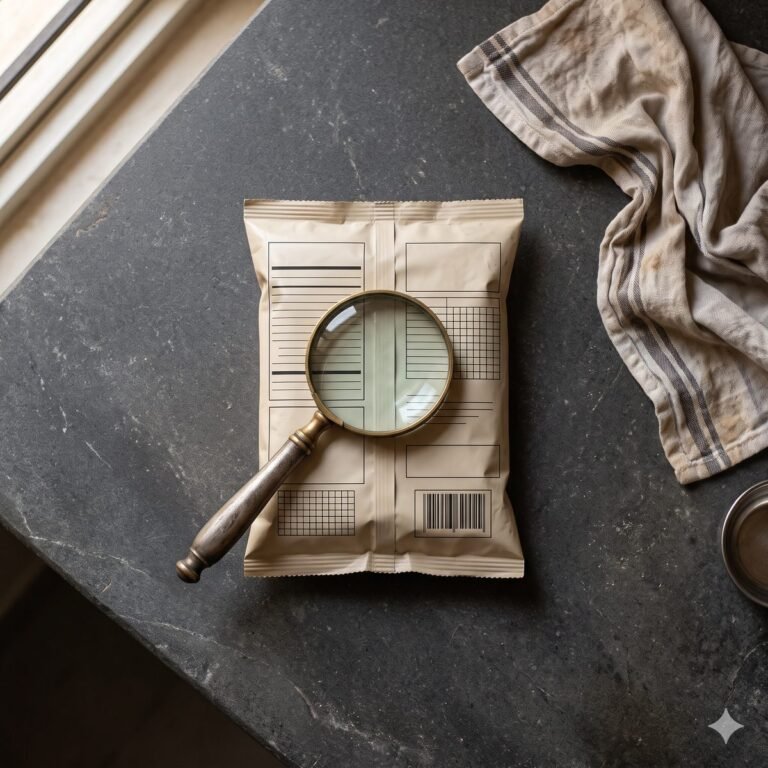
Read our guide on how to read a food label for packed goods, and the home purity tests for spices and ghee.
Questions people ask
Is loose rice safe?
Yes, from a clean shop with fast-moving stock. Wash it well before cooking, as you would any rice.
Why is packed dal more expensive?
You pay for packing, branding and the label. Compare by price per kg; sometimes the gap is small.
How do I store loose groceries?
Move them into airtight steel or plastic containers on the same day, and keep them dry.